Who we welcome.
Every community below is real here, not just tolerated. Each one has its flag beside it, what people from that community often bring to us, and how we adapt. Nothing about you needs explaining or justifying before we begin.
You do not need to translate yourself here.
The Liminal Clinic was built for people who live at the intersections: queer and neurodivergent, First Nations and trans, disabled and kinky, religious and questioning. Most of us on the team are some of these things ourselves.
Everyone may come to us for any of the general reasons anyone sees a psychologist: anxiety, low mood, relationships, work, grief, sleep, a rough patch. What follows is not instead of that. It is the extra layer: the reasons, needs and more common presentations that come with belonging to a particular community, and the ways we adapt so you do not have to.
This page is long on purpose. Use the group chips to jump to the part that is about you, or read the lot. Every entry has three parts: a short line about where we stand, a list of what people from that community often come to us about, and a list of how we adapt. If your community is not named, that is a gap in the page, not in our welcome. Tell us and we will add it.
The flags are shown as their communities designed them: full, uncropped, never recoloured. Where a community does not have a flag, we use words instead of inventing one.
Every identity below is real here.
Jump to a group, or scroll. Each community: its flag, what people often bring, and how we adapt. Everyone is welcome for the everyday reasons anyone sees a psychologist; these lists are the extra reasons, needs and presentations that are more common in each community.
Culture, Country and belonging


Aboriginal and Torres Strait Islander peoples
Always was, always will be. We acknowledge the Traditional Custodians of the lands we work on and provide care that recognises the ongoing impact of colonisation, racism and disconnection from culture and Country.
You might come to us about
- Intergenerational trauma and its effects on family, sleep and health
- Grief, loss and sorry business
- Racism, and the mistrust that comes from past experiences with health, welfare and justice systems
- Holding cultural identity and connection to Country alongside individual wellbeing
- Being Sistergirl or Brotherboy inside both community and services
How we adapt
- We name colonisation and racism directly rather than talking around them
- We do not ask you to educate us about your culture
- Sistergirls and Brotherboys are honoured as First Nations identities in their own right, not translated into Western labels
- Pacing is flexible, and family or community can be part of the work if you want them to be
- We can work alongside your Aboriginal Community Controlled Health Organisation if you have one

Refugees, migrants and people between cultures
Arriving, settling, and living between languages, homes and expectations. You do not have to tell your story before you are ready, and you never have to tell it twice.
You might come to us about
- The long tail of displacement, detention or the journey here
- Loss of status, profession or extended family
- Racism and being made to feel foreign
- The pull between where you came from and where your children are growing up
- Visa stress and the systems that come with it
How we adapt
- Interpreters can be arranged, so ask us what is possible before you book
- No assumption that trauma is the presenting problem, and no pressure to disclose it
- We ask how your culture understands distress, help and family rather than applying one model
- Sessions can move at a pace that respects what you are carrying
LGBTIQASB+

Lesbian, gay, bi, trans, intersex, queer, asexual, Sistergirl and Brotherboy people
Founded and staffed by people with lived experience. You will not need to explain what your identity means, justify your pronouns, or educate us about minority stress before the real work starts.
You might come to us about
- Minority stress and the tiredness of always scanning the room
- Coming out, at any age and more than once
- Family, faith or workplaces that did not hold you
- Past services that got it wrong
- Wanting affirming assessment without fear of being gatekept
How we adapt
- Your pronouns are asked once and remembered
- WPATH-aligned assessments and letters when you need them
- A referral network across LGBTIQASB+ community and health services
- Our own lived experience in the room, without making the session about us

Bisexual and pansexual people
Real, whole, and not a phase, whatever your relationship history or who you are with now.
You might come to us about
- Bi and pan erasure from both straight and queer spaces
- Pressure to pick a side
- Being read as straight or gay depending on your partner
- Jealousy or trust conversations that get blamed on your orientation
How we adapt
- Your identity is not up for debate here and is not the presenting problem
- We are used to relationships of every shape
- You can talk about attraction and desire without it being reframed as confusion

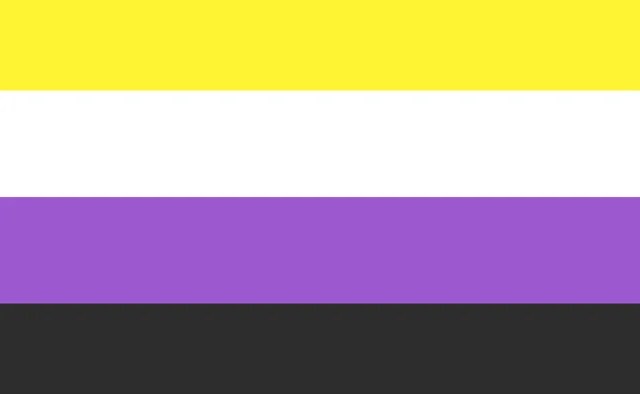
Trans, non-binary and gender-diverse people
We use your name and pronouns correctly, and you do not need to fit a binary, want medical steps, or perform distress to receive affirming care.
You might come to us about
- Misgendering and the exhaustion of correcting people
- Navigating binary forms, systems and workplaces
- Deciding what, if anything, you want from social or medical transition
- Readiness and referral letters for hormones or surgery
- Dysphoria, euphoria, and the identity work of a transition
How we adapt
- WPATH-aligned assessment and letters, with the appointments needed kept to what the standard actually requires
- No requirement to want medical transition to be taken seriously
- Support that spans exploration, social transition and medical steps if wanted
- Screening for neurodivergence as part of gender-affirming care, because the overlap is common and often missed
Asexual and aromantic people
Low or no sexual or romantic attraction is a valid way of being, not a symptom to treat.
You might come to us about
- Being told you have not met the right person yet
- Pressure in relationships to want what you do not want
- Working out where you sit on the spectrum
- The loneliness of a story nobody around you seems to share
How we adapt
- We will not treat your orientation as a problem to solve or a trauma response to uncover
- Relationships and intimacy are worked through on your terms, including the terms of a partner who wants different things
Intersex people
Intersex variations are natural human diversity, not a medical problem to fix. Care starts from your account of your body and your history.
You might come to us about
- The effects of past medical intervention you did not consent to
- Deciding who to tell and when
- Medical appointments that reopen old harm
- Identity and belonging within and beyond LGBTIQA+ spaces
How we adapt
- Informed, non-pathologising support for identity and disclosure
- Help preparing for and recovering from medical appointments
- No assumptions about your gender, sexuality or what you want from your body
Neurodivergence and disability

Neurodivergent people
ADHD, Autistic, AuDHD, dyslexic, gifted. We see these as different operating systems rather than disorders to be fixed, and we screen for them with every new client because so much else depends on getting this right.
You might come to us about
- Late or missed diagnosis, and the grief and relief of finally having words for it
- Masking, and the burnout that follows years of it
- Sensory overload, executive function and the ADHD tax
- Anxiety, depression or eating concerns that turn out to sit on top of neurodivergence
- Co-occurring conditions such as POTS, EDS and hypermobility
How we adapt
- Stim, move, fidget, look away or keep the camera off, whatever helps you think
- Sessions at a pace that suits you, with written summaries if they help
- Assessment for ADHD and Autism that is affirming rather than deficit-hunting
- We are familiar with the conditions that commonly travel with neurodivergence rather than treating each as a surprise
Twice- and thrice-exceptional people
High ability alongside neurodivergence or disability, each masking the other. Often the last thing anyone thought to look for.
You might come to us about
- Asynchronous development: brilliant at some things, stuck on others, and judged on the gap
- Perfectionism, imposter feelings and burnout
- Being told to just try harder
- A lifetime of being either the smart one or the difficult one, and rarely the whole person
How we adapt
- We work with the whole picture at once rather than treating giftedness and disability as separate referrals
- We understand how ability can hide need and need can hide ability, including in assessment



Deaf and hard-of-hearing people
Auslan and interpreters welcome, and we book them for you. Written and chat options for everything else.
You might come to us about
- Services that treat Deafness as the problem rather than the environment
- The fatigue of lip-reading and captions all day
- Isolation within hearing families or workplaces
- Identity and community, capital-D Deaf or otherwise
How we adapt
- Auslan interpreters are welcome, so ask us about arranging one and about any cost
- Email and chat for anything that would otherwise need a phone call
- Captions on telehealth, and a room set up so you can see everyone's face
Health, sex and intimacy

People living with HIV
Friendly, informed, and unbothered. U=U, and we stay current on what treatment and prevention actually look like now.
You might come to us about
- Stigma from past healthcare and the wariness it leaves behind
- Deciding who to tell and when
- Dating and disclosure
- The long-term emotional weight of a diagnosis, including for people diagnosed decades ago
How we adapt
- No assumptions about how you got here
- Disclosure timing that is yours to set, with support to plan it
- We understand treatment, prevention and the difference between the facts and the fear

Sex workers
Sex work is work. Non-judgemental, confidential care that respects your autonomy and does not moralise about your choices.
You might come to us about
- Judgement and moralising from past providers
- Confidentiality, and who might find out
- Burnout, boundaries and safety at work
- Stigma from family, partners or other services
How we adapt
- Confidentiality that holds regardless of what you tell us
- Your work is not the presenting problem unless you say it is
- No reporting, rescuing or agenda about whether you stay in the industry


Kink, leather and bear communities
Understood, not pathologised. Consent-literate, community-aware and shame-free.
You might come to us about
- Past providers who treated consensual kink as a symptom
- Assumptions linking your sexuality to your mental health
- Navigating consent, negotiation and aftercare
- Bodies, masculinity and belonging
How we adapt
- We understand consent frameworks and the difference between consensual kink and harm
- Your sexuality is not treated as pathology or trauma re-enactment unless you want to explore that
- You can use your own words for what you do

Polyamorous and non-monogamous people
Monogamy, polyamory, open relationships, relationship anarchy: each has its own conversations, and none of them is the problem by default.
You might come to us about
- Jealousy, time and the logistics of more than one relationship
- Disclosure to family and employers
- Grief when a relationship ends and nobody around you counts it
- Finding a clinician who does not suggest monogamy as the cure
How we adapt
- We work with the relationship structure you actually have
- Partners can join sessions where that helps
- No assumption that a relationship problem means the structure is wrong
Trauma, abuse and mental health

Survivors of abuse and trauma
Trauma is not always a single event. It can be developmental, relational, systemic, institutional or identity-based, and safety and pace come before anything else.
You might come to us about
- Re-traumatisation from care that moved too fast
- Hypervigilance, dissociation and the body's alarm system
- Complex trauma from childhood, relationships or institutions
- Crime, assault, institutional abuse and the systems that follow (police, courts, the National Redress Scheme)
- Feeling unsafe with a clinician's pace or agenda
How we adapt
- Stability and safety are built before any processing, at your pace
- EMDR and EMDR 2.0, Schema Therapy, ACT and trauma-informed CBT, chosen with you
- You stay in control, including of how much you tell us and when
- We talk about endings and breaks from the start rather than springing them
- We are a registered provider under the National Redress Scheme and work with victims of crime

People living with mental illness, and everyone with everyday struggles
Lived experience of mental illness is respected here, including within our own team. And anxiety, low mood and ordinary overwhelm do not need to reach a crisis before you deserve good care.
You might come to us about
- Anxiety, depression, OCD, eating and body concerns, sleep
- A diagnosis that feels like a label rather than a help
- The sense that your difficulties are not bad enough for therapy
- Wanting practical tools alongside understanding
How we adapt
- CBT, ACT and Schema Therapy tailored to you rather than applied by protocol
- Honesty about what we can and cannot help with, and referral when someone else would serve you better
- No minimum level of distress required
Everyone

Drag and performance communities
Whether performance is your livelihood or your weekend, we meet you where you are. Bring the whole cast.
You might come to us about
- Judgement about performance or personas
- Public scrutiny and online pile-ons
- The gap between who you are on stage and who you are at home
- Community drama that lands hard
How we adapt
- We understand the specific pressures of visibility and community without treating your identity as the presenting problem
- Personas and characters can be part of the conversation rather than something to explain away

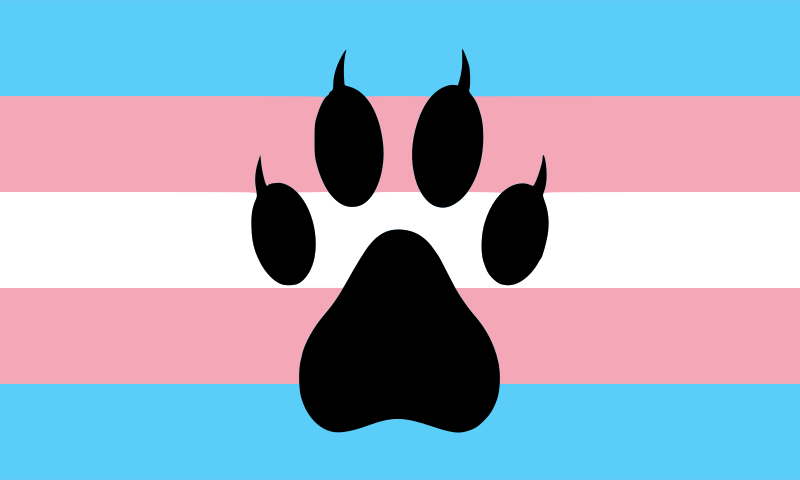
Furry community
Fursonas, suits, art and community. A creative identity, not a diagnosis, and not something you need to explain or defend here.
You might come to us about
- Judgement or ridicule about a fursona or the fandom
- Deciding who to tell
- Shame that has attached itself to something that brings you joy
- Community conflict, and the isolation of a community that is mostly online
How we adapt
- We treat the fandom as a real community and a real source of belonging
- Your fursona can be part of the conversation, in your words
- No pathologising of creativity, play or costume

Allies, and everyone else
We also work with cisgender, heterosexual people and allies of all kinds. Nearly everybody carries some experience of being othered, and that shared ground is enough to start from.
You might come to us about
- Not being sure you qualify for a clinic like this
- Supporting a partner, child, friend or colleague and wanting to get it right
- Ordinary life and mental health concerns that just need a good psychologist
How we adapt
- You do not need a special reason to be here
- We will not assume anything about you either
- If we are not the right fit, we will say so and help you find who is
Whoever you are, you are welcome here.
Not on the list? That is our gap, not yours. Tell us and we will add you.